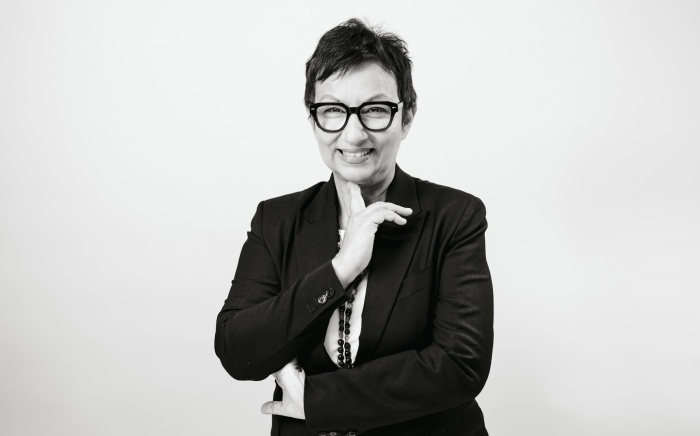
Canan Rohde-Can was an extraordinary woman whose life was marked by flight, perseverance, and creative energy. Born in 1965 in eastern Turkey to an Alevi family that had been displaced, she initially grew up in Istanbul. Her grandmother, who was illiterate, instilled in her a sense of strength and pragmatism - qualities that accompanied Canan throughout her life. After moving to the Rhineland to live with her parents, she found her way to high school thanks to her mother's determination.
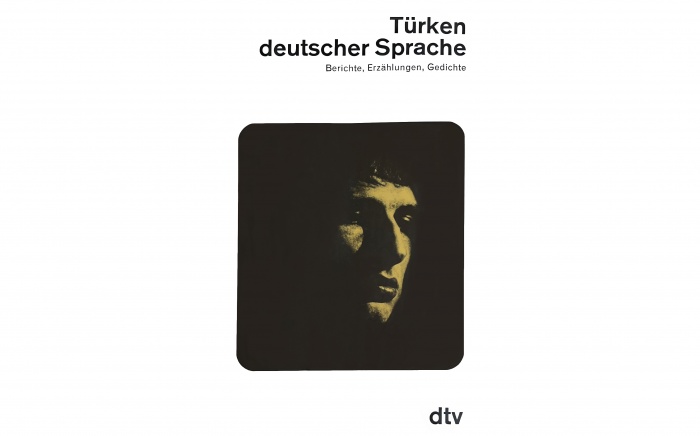
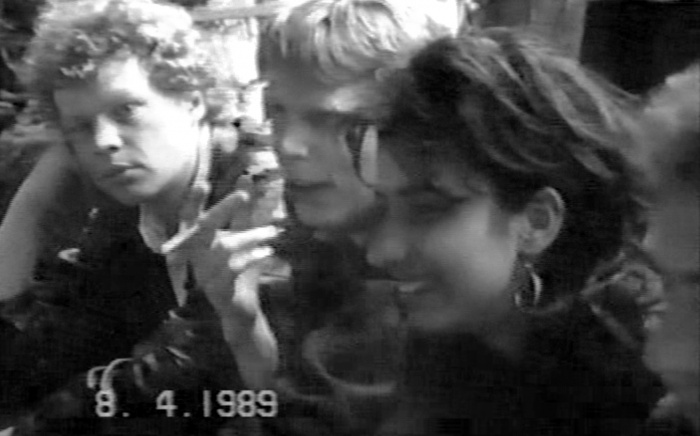
In her early works of migrant literature, she reflected on the experience of being doubly alienated - between her origins and her new home, between tradition and modernity. But the connection to her roots remained alive: her grandmother's “construction sites” sparked her interest in architecture. She went on to study at RWTH Aachen University and the Düsseldorf Art Academy, where she became a master student of Ernst Kasper. Even as a student, she attracted attention with designs such as “A Home for Me” and successes in competitions. Her travels, for example to China in 1987, and the film “Istanbul Gecekondu" - Built Overnight” testified to her curiosity about the world and her sensitivity to social spaces.
After spending her early career in Düsseldorf and Dresden, she also played a formative role as a lecturer at TU Dresden, teaching alongside Carlo Weber and Ivan Reimann, among others. Her strength and warmth made her an inspiring personality. Many asked themselves: “What would Canan do?”
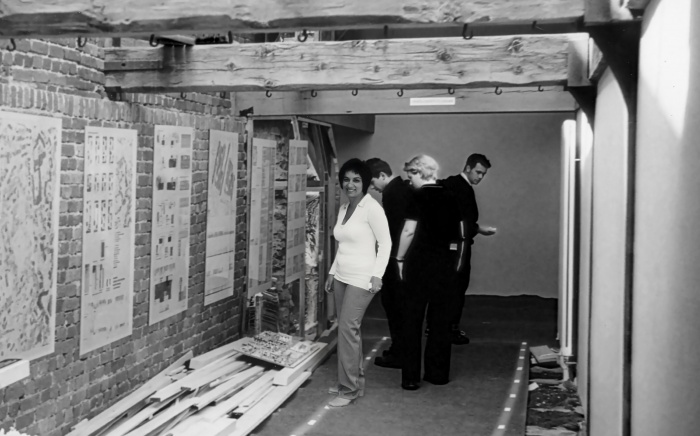
With the founding of the Rohdecan office in 1998, she set new standards: entrepreneurial freedom, openness, precision, and sustainability defined her work. No villas, no museums - instead, public buildings for everyone: courts, schools, research and laboratory buildings. Under her leadership, the office developed into an integral part of German planning culture with construction projects in Dresden, Berlin, Erfurt, Hamburg, and Jülich.
Her contributions to award juries, lectures, exhibitions, and design advisory boards - for example, in Erfurt and Wolfenbüttel - testified to her professional authority and social commitment.
Her contributions to award juries, lectures, exhibitions, and design advisory boards - for example, in Erfurt and Wolfenbüttel - were testament to her professional authority and social commitment.
Despite being diagnosed with cancer in 2015, she continued to run her office with vision and courage, remaining creatively active until the very end. She spent her last years between workations at her summer house in Turkey and her team in Dresden. Shortly before her death in May 2025, she was appointed to the Dresden Art Commission - a late but welldeserved recognition of her life's work.
Canan Rohde-Can was an architect, entrepreneur, teacher, role model, and figure of integration. Her empathy, energy, and unwavering determination to build bridges - between people, cultures, and spaces - will never be forgotten.
Author: Thomas Will
First published in Bauwelt, Issue 24.2025.
Published with kind permission of Bauwelt.